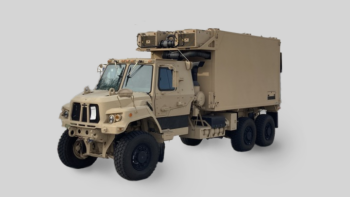
Army awards $192M to Palantir and Anduril to produce TITAN system
The effort awards $127 million to Palantir and $65 million to Anduril.
The effort awards $127 million to Palantir and $65 million to Anduril.

Gallagher, who departed Congress in April, started at Palantir in June and sees it as a continuation of a mission of "preventing World War III."

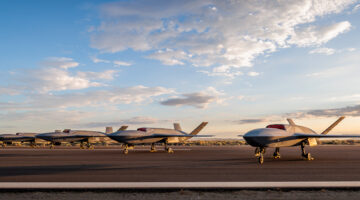
GA-ASI is serious about retaining its position as the leading provider of UAS to the United States and its allies.
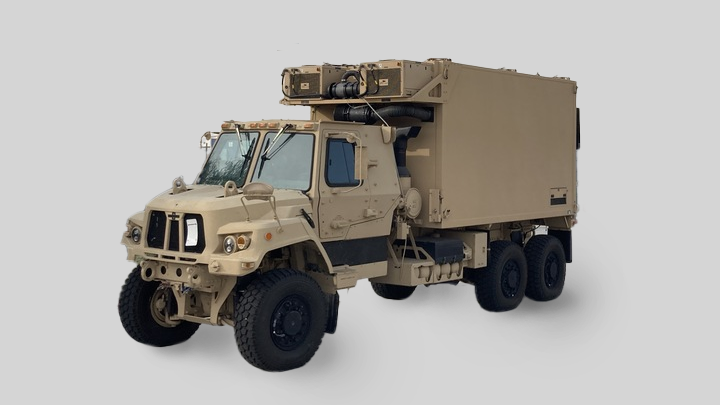
In December, an Army official called TITAN “one of the foundational elements from the intelligence modernization efforts within the Army.”
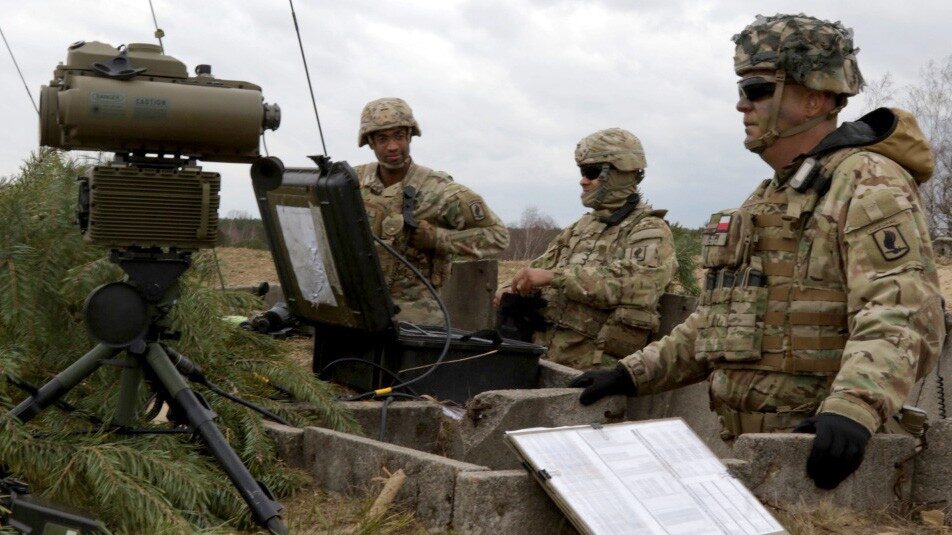
Brig. Gen. Ed Barker gave reporters a look ahead on his fiscal 2024, 2025 and 2026 priorities.
TITAN is the service’s ground station meant to process data from space and land-based "sensors" using artificial intelligence, which will then be sent off to the right "shooter" — part of the core concept of JADC2.
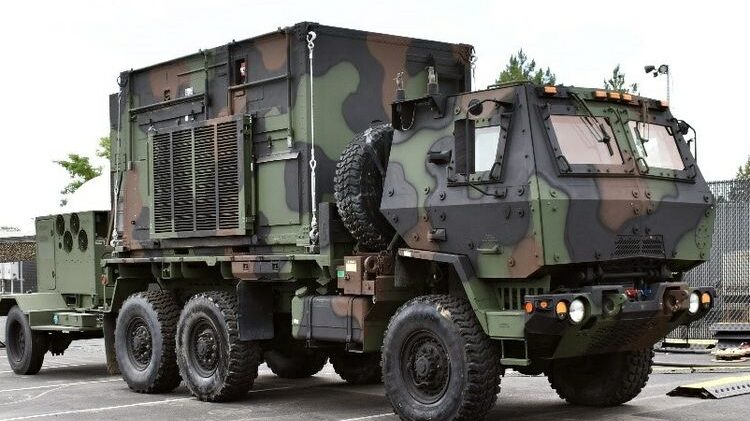
Northrop Grumman's TITAN "pre-prototype" was designed to test only the ability of a ground station to rapidly tap into and disseminate satellite imagery.

A commitment to long-term operational value.

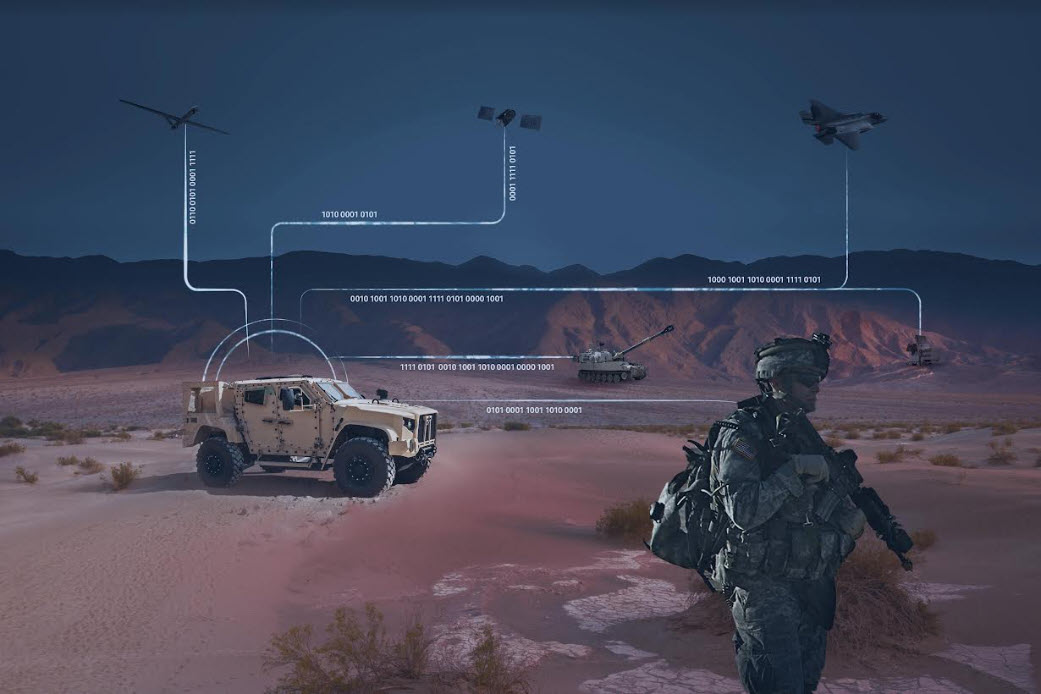
A tactical ground station that finds and tracks threats to support long-range precision targeting, TITAN promises to bring together data from ground, air, and space sensors.
The TITAN program is a tactical ground station that will process data from across space and land-based sensors using artificial intelligence and ship it off to the right shooter — such as one of the new Army long-range precision fires missiles.

RI&S’ ABI gives military commanders the right insights to take action during conflict.
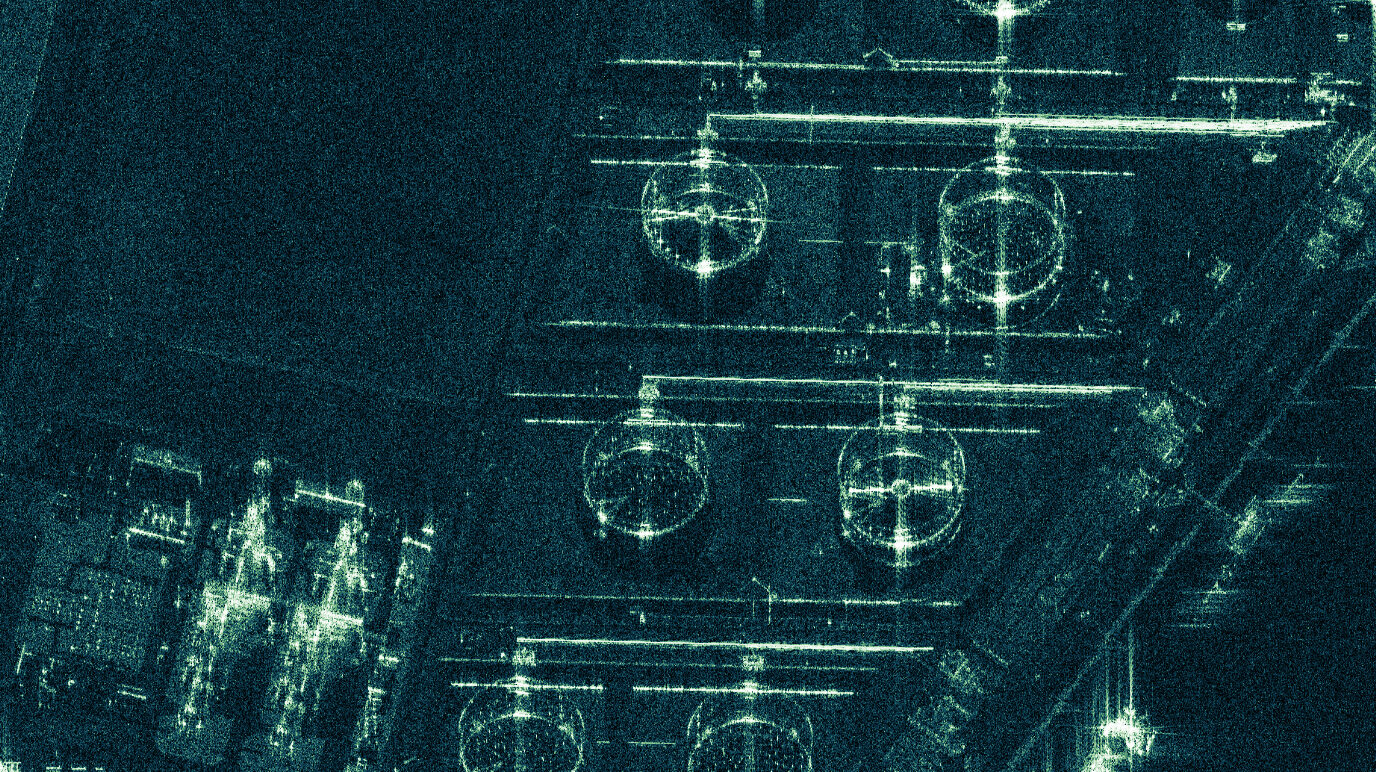
Under the agreement with ICEYE, the Army will look especially hard at the ability to significantly cut the time it takes to relay ISR data from a satellite to shooters on the ground.

AI is reshaping the Army’s approach to cyber, electronic warfare and command and control. At TechNet Augusta 2026, leaders outlined how they’re turning emerging technology into capabilities for the battlefield.
"Air and missile defense, long-range precision fires, assured position navigation and timing — all of these rely on space-enabled capabilities and access to space," said Tom Webber, director of the Army Space and Missile Defense Command Technical Center.
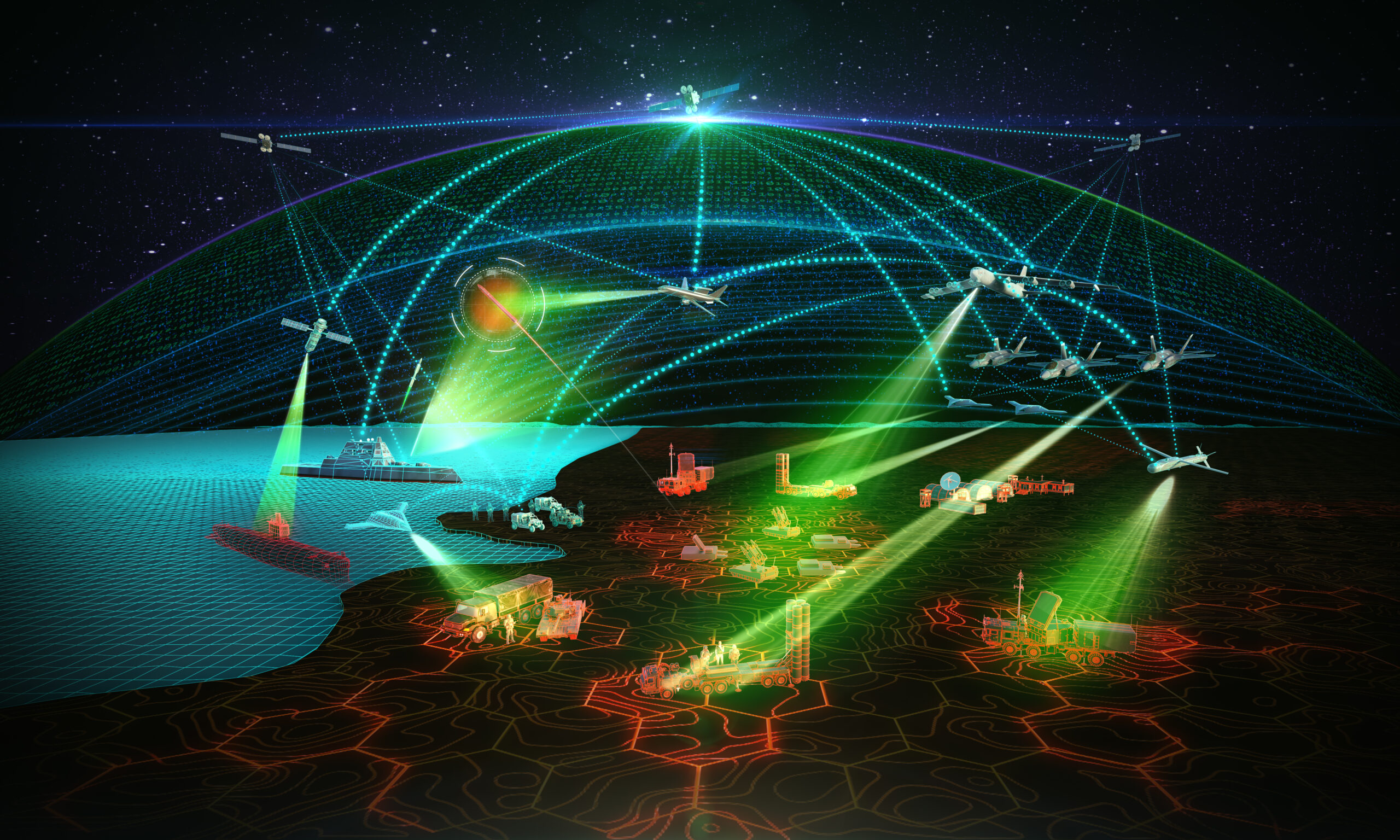
Agile, open networks will let the DoD make command decisions faster, distribute its forces, and operate at a standoff distance to counter new weaponry like hypersonic missiles.

A layered architecture of geosynchronous, medium-earth, and low-earth-orbit satellites will provide resilient sensor coverage for Joint All Domain Command and Control.
The Army and Air Force are still "defining the relationship" between TITAN and the Air Force's Advanced Battle Management System (ABMS), an Army spokesperson says.